Housing in The Beaches, Toronto
Two thirds of the Beaches predates 1961, and for a neighbourhood people picture as detached houses, four in ten dwellings are in a low-rise building of under five storeys, usually the upper half of a house. Older stock near the lake brings its own list: what the foundation is made of, where the water goes, and whether the third storey was finished with permits.
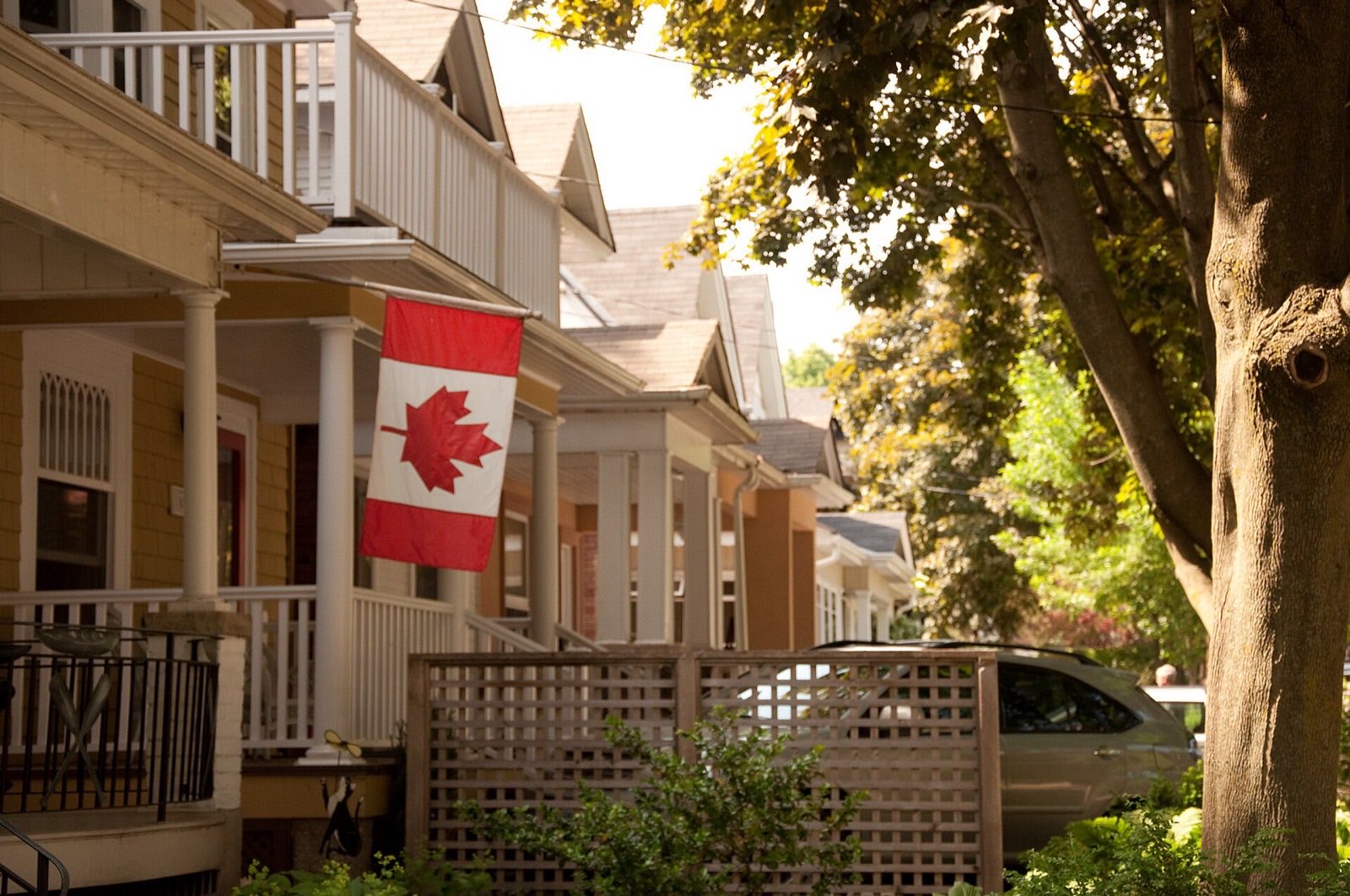
- Porches in the BeachesJosh Evnin from Chicago, IL, USA, CC BY-SA 2.0
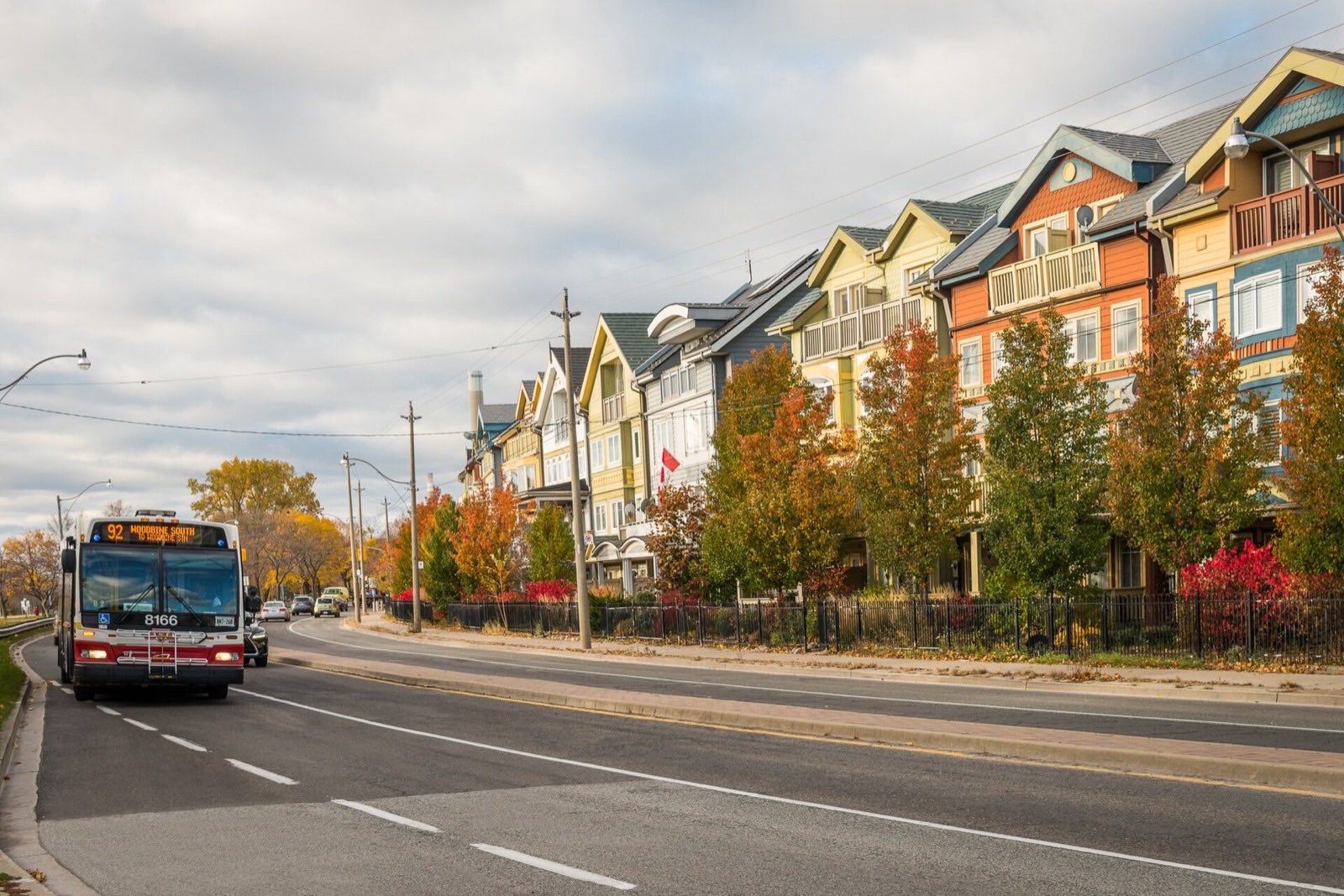
- Queen Street EastMunicipal Affairs and Housing, CC BY 2.0
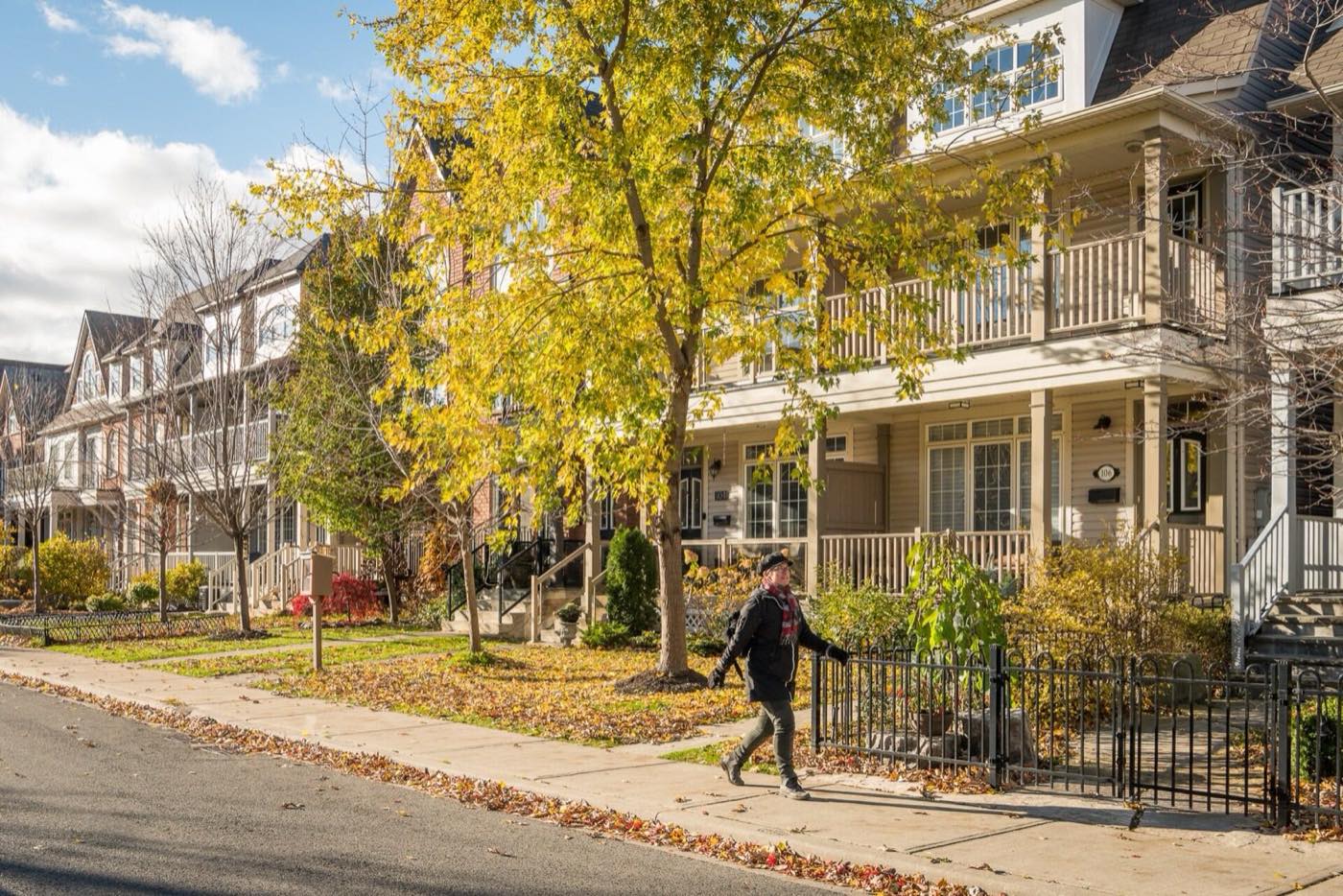
- A street in the BeachesMunicipal Affairs and Housing, CC BY 2.0
Photographs from Wikimedia Commons, used under the licence shown with each one. A photograph is here because it was taken inside this neighbourhood's boundary or because its own page names this neighbourhood or its main street, and because somebody looked at it.
- People
- 21,510
- Households
- 9,430
- Median dwelling value
- $1.5M
- Median household income
- $116K
What stands out about The Beaches
- 65% of its housing was built before 1961, higher than the middle of Toronto's 158 neighbourhoods at 29%.
- The median dwelling value is $1,500,000, higher than the middle of Toronto's 158 neighbourhoods at $900,000.
- 8% of its dwellings are in buildings of five storeys or more, lower than the middle of Toronto's 158 neighbourhoods at 36%.
- The median household income is $116,000, higher than the middle of Toronto's 158 neighbourhoods at $84,500.
What is built here
- Detached house
- Semi-detached house
- Row house
- Duplex
- Apartment, under five storeys
- Apartment, five storeys or more
And how many bedrooms it has
- One bedroom
- Two bedrooms
- Three bedrooms
- Four or more bedrooms
When it was built
The most useful line on this page. Almost everything a home inspection turns up in Toronto is a function of the decade the house went up in, and so is most of what an insurer asks about.
- 1960 or before
- 1961 to 1980
- 1981 to 2000
- 2001 to 2010
- 2011 to 2021
What to check before you buy in The Beaches
Raised by the housing stock above, not by any particular house. Each one is a question to ask rather than a problem to expect.
- Wiring, and what the insurer will say about itA large share of the housing here was built before 1961, which is the stock where knob and tube wiring turns up. Some insurers will not bind a policy on it, and finding that out after the offer is firm is expensive. Ask what the panel is, whether the house has been rewired, and get the answer before the financing condition comes off.
- The supply line into the houseHouses of this age often still have the original galvanized supply line, which narrows with age and shows up as poor pressure upstairs. Replacing it is a road cut and a permit, not an afternoon. Run a tap on the top floor while something else is running downstairs.
What it costs to live here
- Owner monthly shelter cost
- $2,040
- Renter monthly shelter cost
- $1,580
- Owners with a mortgage
- 57%
- Households renting
- 37%
Shelter cost is the census measure: for an owner it is the mortgage payment, property taxes, condominium fees and utilities together, and for a renter it is rent and utilities. These are medians from 2021, so read them as the shape of the place rather than as a quote.
How people get to work
- Car, truck or van
- Public transit
- Walked
- Bicycle
Where these numbers come from
2021 Census of Population, Statistics Canada, tabulated by the City of Toronto Open Data as Neighbourhood Profiles, with neighbourhood names and boundaries from Neighbourhoods. Retrieved September 18, 2026. The City publishes both packages with their licence recorded as "License not specified".
These are aggregate figures for a whole neighbourhood from a census taken in 2021, so they lag the market and they describe no individual home. Housey is not a real estate board and this is not MLS data: for what a specific house is worth today, ask a realtor.