Housing in Junction Area, Toronto
The Junction has the most evenly mixed housing stock of any neighbourhood on this list: detached, semi, row, duplex and low-rise are all present in quantity, and roughly a quarter of it has gone up since 2000. That mix is why two houses a street apart can be twenty years and four hundred thousand dollars apart, and why comparable sales here need reading carefully rather than averaging.
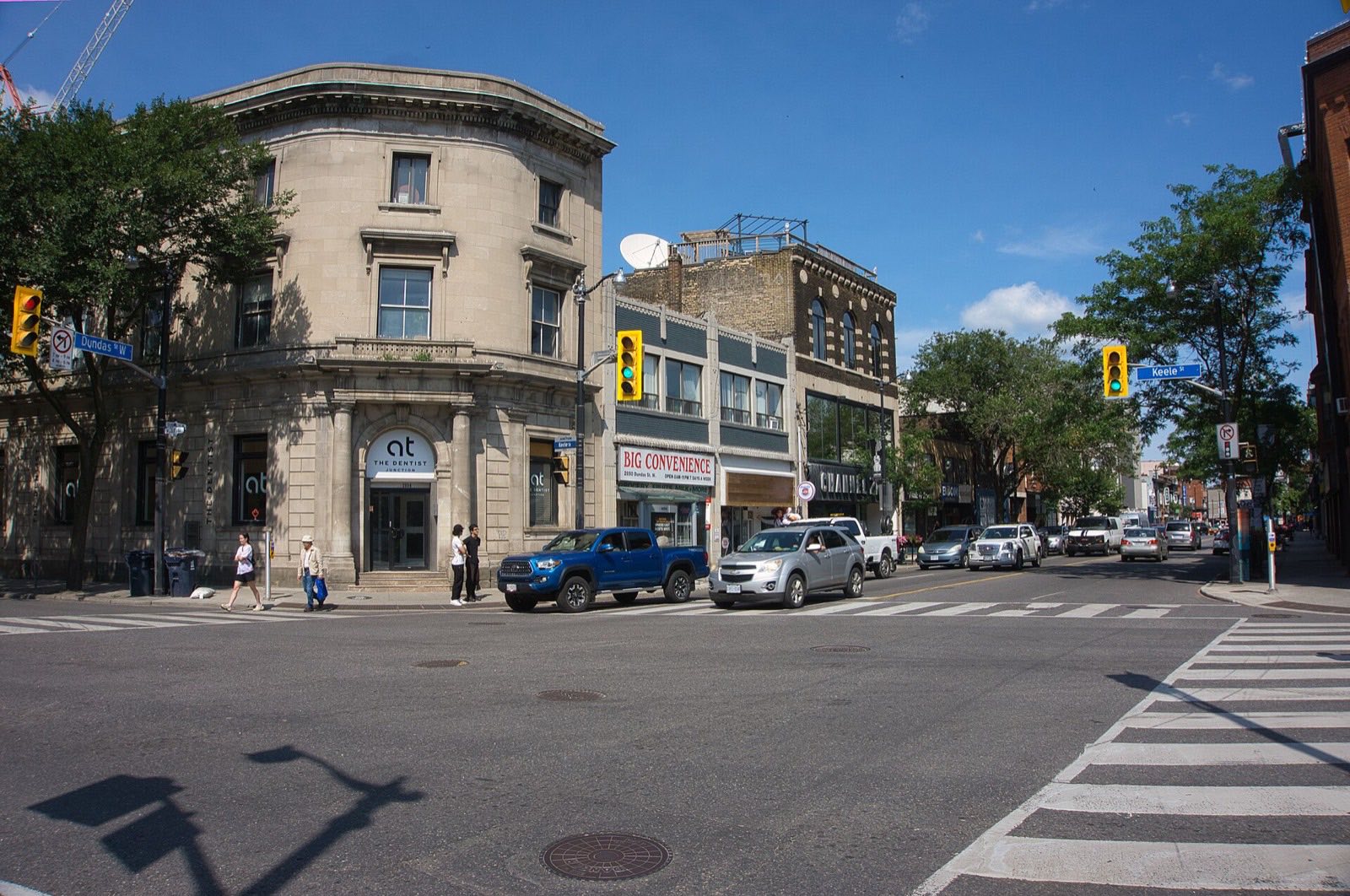
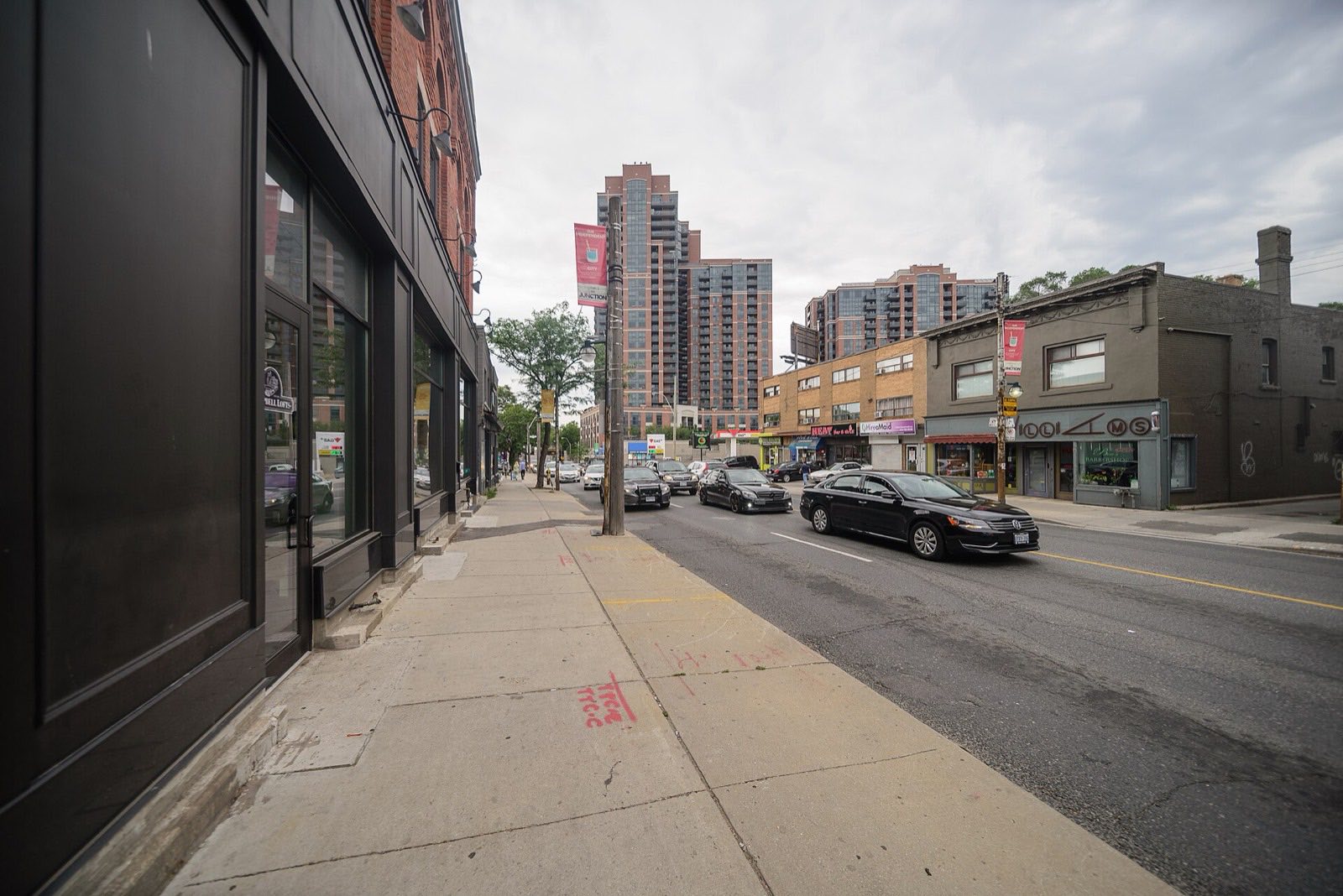
Photographs from Wikimedia Commons, used under the licence shown with each one. A photograph is here because it was taken inside this neighbourhood's boundary or because its own page names this neighbourhood or its main street, and because somebody looked at it.
- People
- 14,010
- Households
- 6,035
- Median dwelling value
- $1M
- Median household income
- $96K
What stands out about Junction Area
- 55% of its housing was built before 1961, higher than the middle of Toronto's 158 neighbourhoods at 29%.
- 12% of its dwellings are in buildings of five storeys or more, lower than the middle of Toronto's 158 neighbourhoods at 36%.
- 12% of its dwellings are detached houses, lower than the middle of Toronto's 158 neighbourhoods at 26%.
What is built here
- Detached house
- Semi-detached house
- Row house
- Duplex
- Apartment, under five storeys
- Apartment, five storeys or more
And how many bedrooms it has
- One bedroom
- Two bedrooms
- Three bedrooms
- Four or more bedrooms
When it was built
The most useful line on this page. Almost everything a home inspection turns up in Toronto is a function of the decade the house went up in, and so is most of what an insurer asks about.
- 1960 or before
- 1961 to 1980
- 1981 to 2000
- 2001 to 2010
- 2011 to 2021
What to check before you buy in Junction Area
Raised by the housing stock above, not by any particular house. Each one is a question to ask rather than a problem to expect.
- Wiring, and what the insurer will say about itA large share of the housing here was built before 1961, which is the stock where knob and tube wiring turns up. Some insurers will not bind a policy on it, and finding that out after the offer is firm is expensive. Ask what the panel is, whether the house has been rewired, and get the answer before the financing condition comes off.
- Kitec fittings, if it was plumbed in the late 1990s or 2000sA fifth or more of the housing here dates from the years when Kitec plumbing was installed. The fittings are usually brass in orange or blue pipe, most visible under a sink or at the water heater. It was the subject of a class action settlement and it is something a condominium corporation will know about its own building.
- The party wall and the drainsA fifth or more of the housing here shares a wall with the house next door. Shared walls mean shared sound, sometimes shared drains, and occasionally a shared roof line where one side has been redone and the other has not. Look at both sides of the building from the street and from the lane.
What it costs to live here
- Owner monthly shelter cost
- $1,900
- Renter monthly shelter cost
- $1,460
- Owners with a mortgage
- 64%
- Households renting
- 42%
Shelter cost is the census measure: for an owner it is the mortgage payment, property taxes, condominium fees and utilities together, and for a renter it is rent and utilities. These are medians from 2021, so read them as the shape of the place rather than as a quote.
How people get to work
- Car, truck or van
- Public transit
- Walked
- Bicycle
Where these numbers come from
2021 Census of Population, Statistics Canada, tabulated by the City of Toronto Open Data as Neighbourhood Profiles, with neighbourhood names and boundaries from Neighbourhoods. Retrieved September 18, 2026. The City publishes both packages with their licence recorded as "License not specified".
These are aggregate figures for a whole neighbourhood from a census taken in 2021, so they lag the market and they describe no individual home. Housey is not a real estate board and this is not MLS data: for what a specific house is worth today, ask a realtor.