Housing in Annex, Toronto
The Annex is one of the few places in the city where a Victorian semi on a side street and a rental tower on Bloor are part of the same housing market. More than half of everything here is in a building of five storeys or more, and only about one dwelling in six is a house of any kind. Four in ten dwellings predate 1961, so whichever half of this market you are shopping in, the age of the wiring and the plumbing is the question that decides the budget.
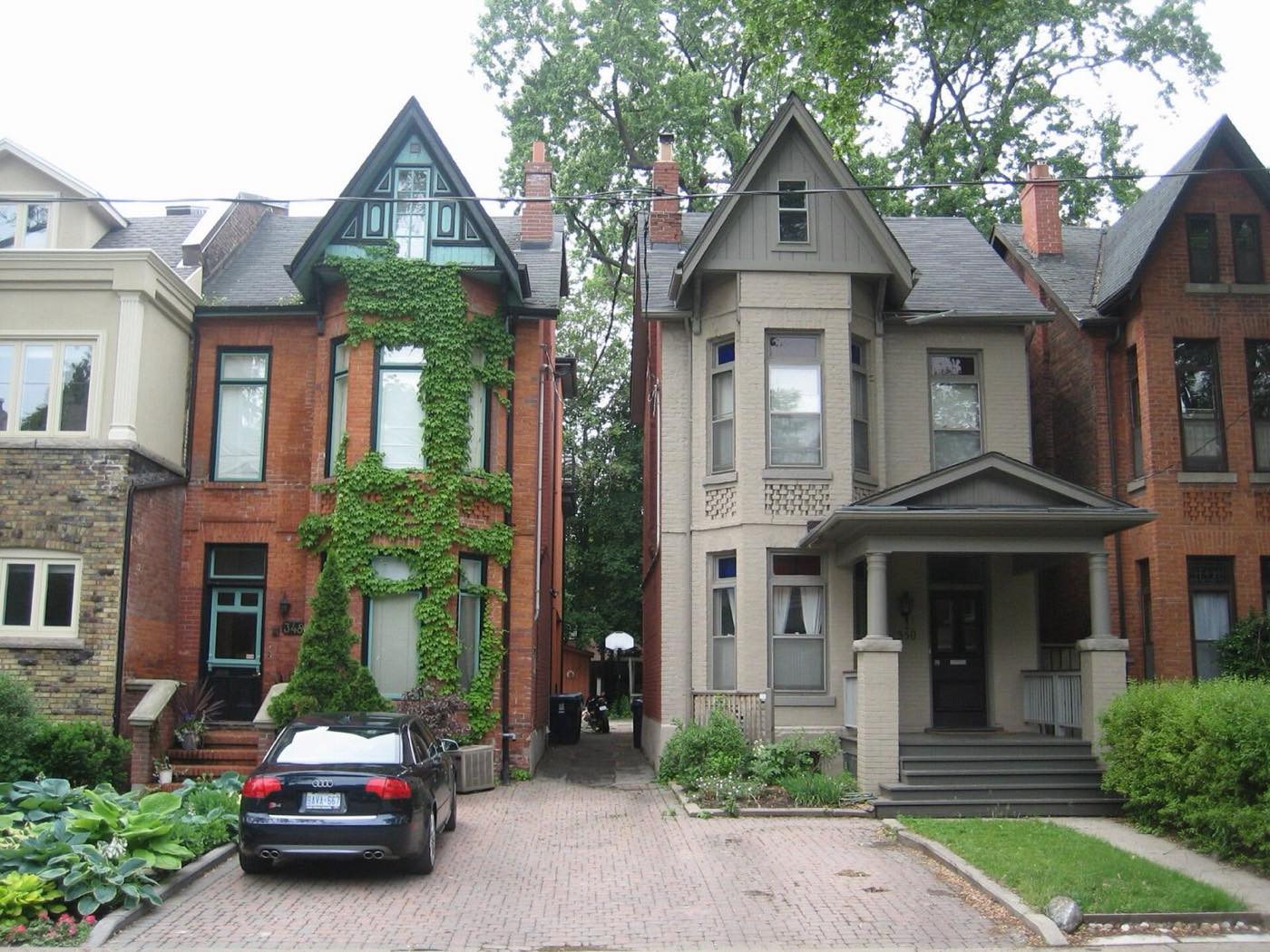
- A bay-and-gable house, the Annex's own typeSimonP, CC BY-SA 3.0
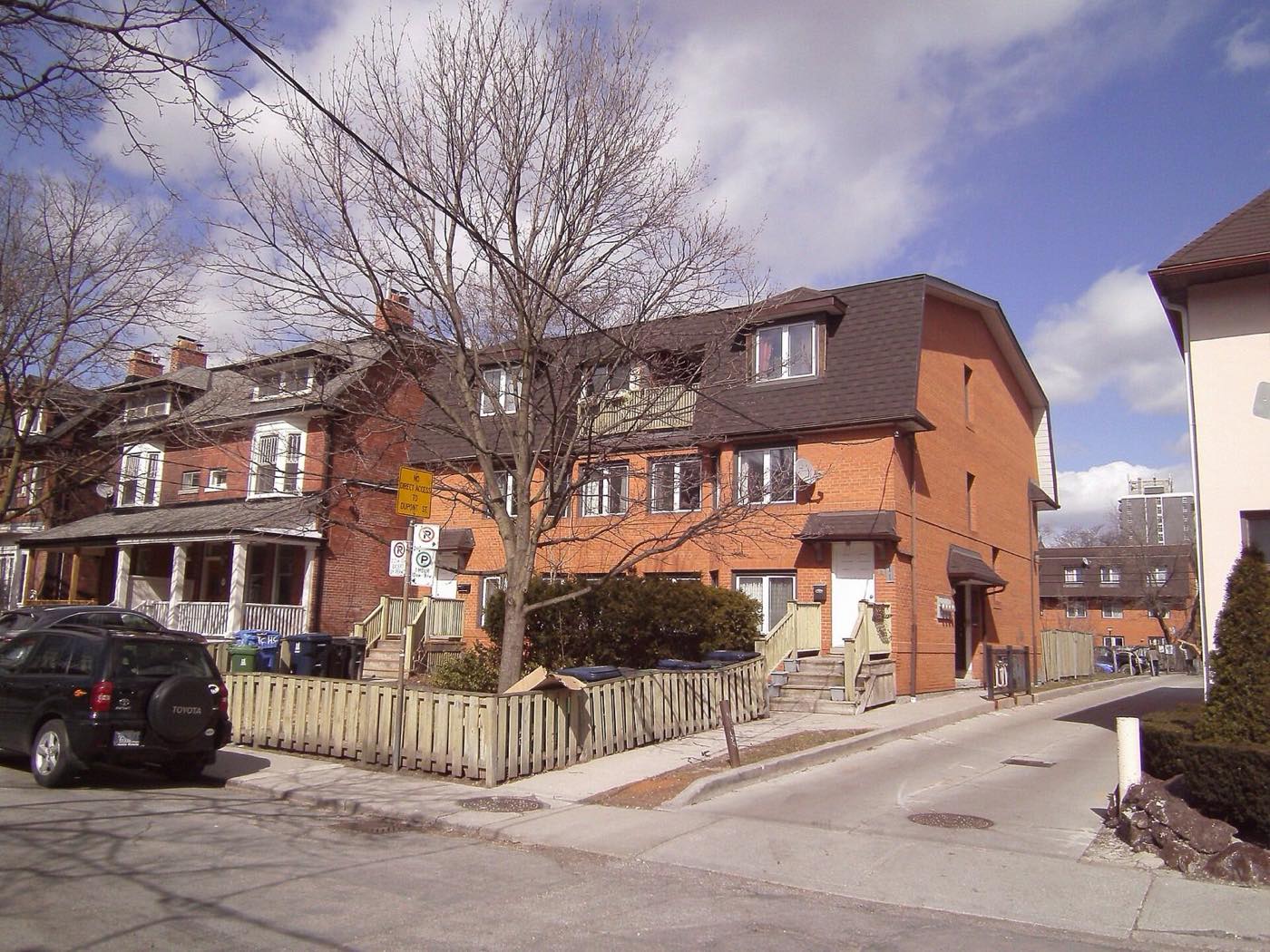
- Albany AvenueArthur Gron, CC0
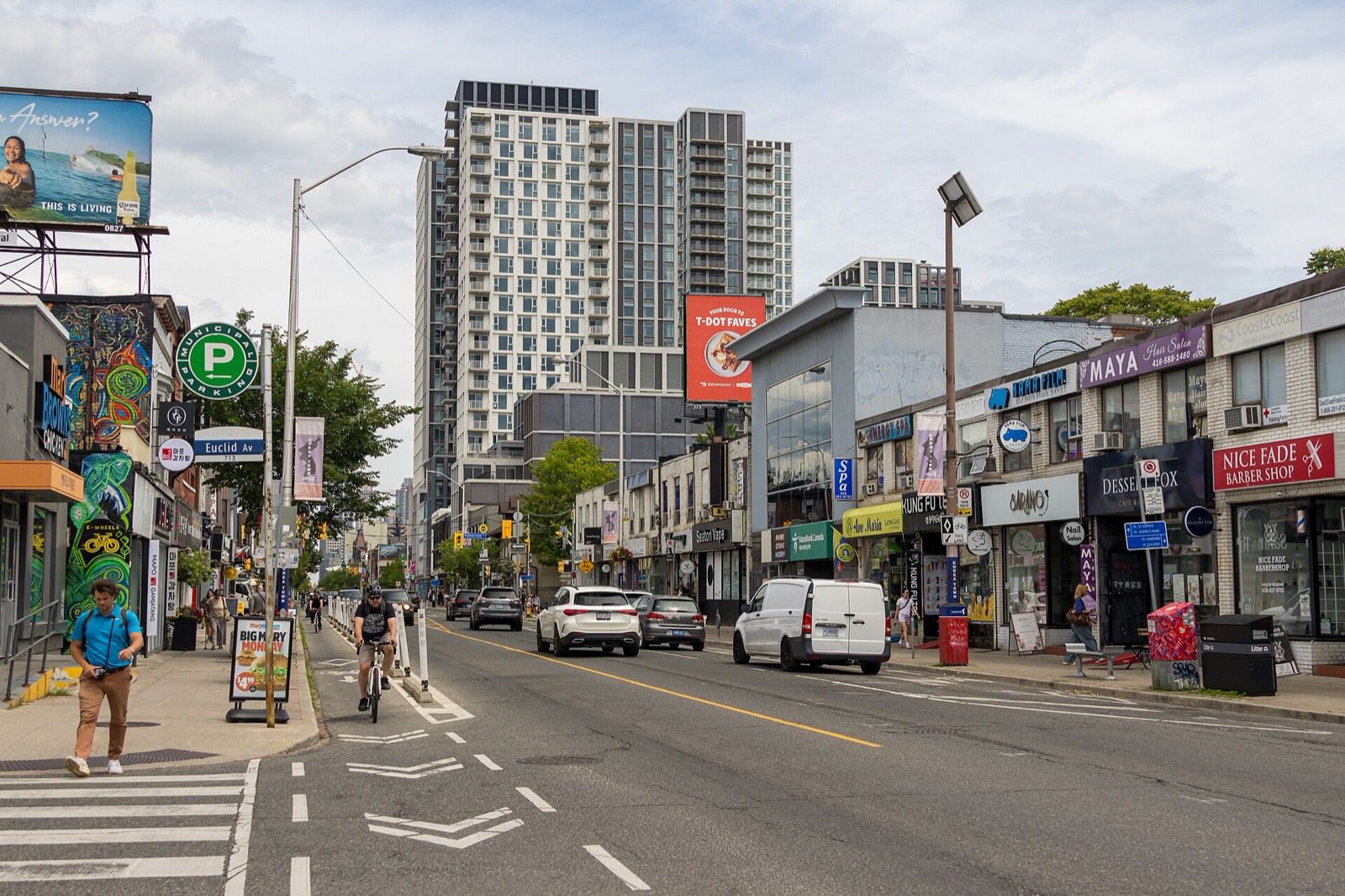
- Bloor Street West in KoreatownDillan Payne, CC BY-SA 4.0
Photographs from Wikimedia Commons, used under the licence shown with each one. A photograph is here because it was taken inside this neighbourhood's boundary or because its own page names this neighbourhood or its main street, and because somebody looked at it.
- People
- 29,300
- Households
- 16,330
- Median dwelling value
- $1.5M
- Median household income
- $85K
What stands out about Annex
- The median dwelling value is $1,500,000, higher than the middle of Toronto's 158 neighbourhoods at $900,000.
- 4% of its dwellings are detached houses, lower than the middle of Toronto's 158 neighbourhoods at 26%.
- 59% of its households rent, higher than the middle of Toronto's 158 neighbourhoods at 46%.
- 34% of its dwellings are condominium, higher than the middle of Toronto's 158 neighbourhoods at 20%.
What is built here
- Detached house
- Semi-detached house
- Row house
- Duplex
- Apartment, under five storeys
- Apartment, five storeys or more
And how many bedrooms it has
- One bedroom
- Two bedrooms
- Three bedrooms
- Four or more bedrooms
When it was built
The most useful line on this page. Almost everything a home inspection turns up in Toronto is a function of the decade the house went up in, and so is most of what an insurer asks about.
- 1960 or before
- 1961 to 1980
- 1981 to 2000
- 2001 to 2010
- 2011 to 2021
What to check before you buy in Annex
Raised by the housing stock above, not by any particular house. Each one is a question to ask rather than a problem to expect.
- The building's age, not just the unit'sA renovated unit in a building that has not repiped or done its garage membrane is a renovated unit with a special assessment coming. Ask what major work the building has completed, and what its engineer's reserve fund study says is next.
- Whether the place you are buying has a tenant in itMost households here rent, so a good share of what comes up for sale is tenanted. A tenancy continues after a sale in Ontario, and the rules about a purchaser moving in are specific and worth reading before you write the offer rather than after.
What it costs to live here
- Owner monthly shelter cost
- $2,080
- Renter monthly shelter cost
- $1,740
- Owners with a mortgage
- 43%
- Households renting
- 59%
Shelter cost is the census measure: for an owner it is the mortgage payment, property taxes, condominium fees and utilities together, and for a renter it is rent and utilities. These are medians from 2021, so read them as the shape of the place rather than as a quote.
How people get to work
- Car, truck or van
- Public transit
- Walked
- Bicycle
Where these numbers come from
2021 Census of Population, Statistics Canada, tabulated by the City of Toronto Open Data as Neighbourhood Profiles, with neighbourhood names and boundaries from Neighbourhoods. Retrieved September 18, 2026. The City publishes both packages with their licence recorded as "License not specified".
These are aggregate figures for a whole neighbourhood from a census taken in 2021, so they lag the market and they describe no individual home. Housey is not a real estate board and this is not MLS data: for what a specific house is worth today, ask a realtor.